

The Unique Charm of Ethiopian Coffee
Ethiopian coffee holds a special place in the world of specialty coffee, known for its rich history, unique flavor profiles, and exceptional quality. At Paradeco, we are proud to source our beans directly from Ethiopian farmers, ensuring that each cup you enjoy is a testament to the region’s storied coffee culture and our commitment to ethical and sustainable practices.
The Birthplace of Coffee
Ethiopia is often celebrated as the birthplace of coffee. Legend has it that a goat herder named Kaldi discovered the energizing effects of coffee beans in the 9th century. This ancient heritage is still evident today, as Ethiopia remains a crucial part of the global coffee landscape.
Unique Growing Conditions
Flavor Profiles: A Symphony of Tastes
Ethiopian coffees are renowned for their vibrant and varied flavor profiles. Each region in Ethiopia offers distinct characteristics, resulting in a delightful range of tastes:
- Yirgacheffe: Often considered one of the finest coffee-growing regions, Yirgacheffe beans are known for their bright acidity, floral notes, and hints of citrus and bergamot. This coffee is often described as tea-like and elegant.
- Sidamo: Coffee from Sidamo boasts a well-balanced profile with rich, fruity notes. Expect to taste berries, plums, and sometimes even a hint of wine, complemented by a smooth body and vibrant acidity.
- Harrar: Harrar beans are famous for their wild, exotic flavors. They often exhibit bold, winey characteristics with fruity and spicy undertones, such as blueberry, cardamom, and even hints of chocolate.
Traditional Farming Practices
- Shade-Grown Coffee: Ethiopian coffee is often grown under the shade of native trees, which helps maintain the natural ecosystem and promotes biodiversity.
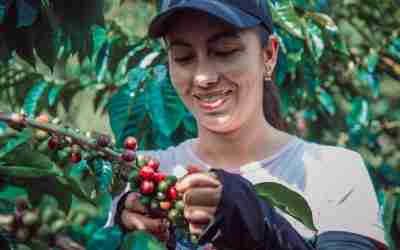
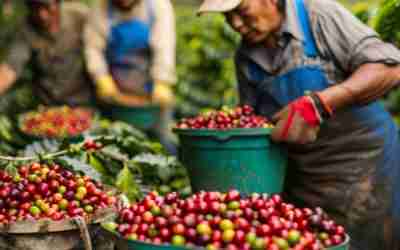
- Hand-Picking: Coffee cherries are hand-picked at peak ripeness, ensuring that only the best beans are selected for processing.
- Natural Processing: Many Ethiopian coffees are naturally processed, meaning the beans are dried with the cherry fruit still intact. This method enhances the fruity flavors and adds complexity to the coffee.
Ethical Sourcing and Direct Relationships
Why Ethiopian Coffee Matters
Experience Ethiopian Coffee at Paradeco
We invite you to discover the magic of Ethiopian coffee at Paradeco. Our carefully sourced and expertly roasted Ethiopian beans offer a taste journey like no other. Whether you prefer the floral elegance of Yirgacheffe, the fruity richness of Sidamo, or the exotic boldness of Harrar, there’s an Ethiopian coffee to suit every palate.
Visit us at Paradeco to savor these extraordinary flavors and learn more about the fascinating world of Ethiopian coffee. Let each sip transport you to the highlands of Ethiopia, where the legacy of coffee began and continues to flourish.